Itchy, Scaly, or Weepy Skin? How to Tell the Difference Between Psoriasis and Eczema and When to Consider Clinical Trials
You wake to that familiar roughness on your forearm, sheets snagging on dry patches. The itch is a steady hum. Morning light highlights tiny flakes on your shirt, and you pull a sleeve down without thinking. Is it psoriasis, eczema, or something else? Breathe. You deserve comfort, clarity, and study-related care that treats you as a whole person. We’ll walk this together, step by careful step.
A Quick Skin Check: Clues You Can See and Feel
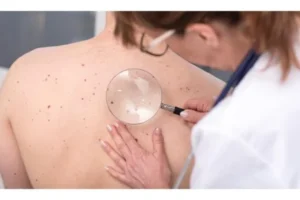 Think of these signs as helpful observations to share with your healthcare provider—not a diagnosis. Paying attention to how your skin looks and feels can help guide a more informed conversation about what may be causing your symptoms.
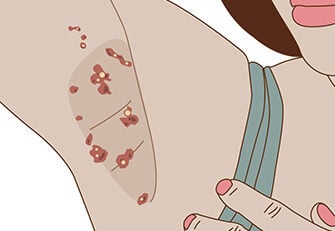
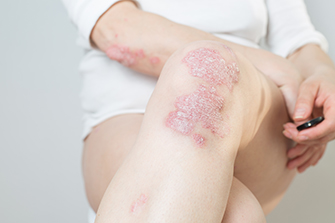
Psoriasis: Psoriasis often appears as well-defined, raised patches of thickened skin covered with silvery-white scales. These areas may feel rough, firm, or dry to the touch. Common locations include the elbows, knees, scalp, and lower back. Some people also notice changes in their nails, such as pitting, ridges, or separation from the nail bed. Joint stiffness or aching—especially in the morning—can sometimes accompany psoriasis and may improve with movement throughout the day.
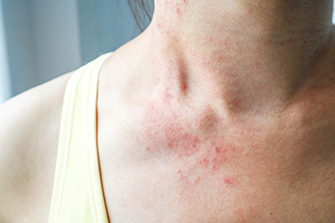
Eczema (Atopic Dermatitis): Eczema is typically characterized by intense itching. Affected skin may appear dry, irritated, or inflamed, and during flare-ups, it can become weepy, crusted, or swollen. Unlike psoriasis, eczema patches often have softer, less distinct borders. Common areas include the face, neck, inner elbows, backs of the knees, and the areas around the wrists and ankles. A personal or family history of allergies, asthma, or hay fever can be another clue.
What Does It Feel Like? The way your skin feels can provide valuable insight:
-
Psoriasis may cause thick plaques that crack, split, or become tender and sore.
-
Eczema often causes persistent itching, burning, or stinging sensations, especially after hot showers or when the skin is exposed to irritants. During flares, affected areas may ooze fluid or develop crusting.
A Note About Skin of Color: Skin conditions can appear differently across skin tones. On darker skin, psoriasis may appear gray, purple-brown, or darker than the surrounding skin, while eczema may look brown, purple, gray, or ashen rather than red. Because color changes can be subtle, healthcare providers often rely more on texture, scaling, location, and symptom patterns when evaluating the skin.
While these observations can be helpful, only a qualified healthcare professional can determine whether symptoms are related to psoriasis, eczema, or another skin condition.
Consider a typical case (hypothetical)
Imagine a teacher in Birmingham, we’ll call her Maya. She wakes to sticky sheets and itchy elbows. A new shampoo helped her scalp for a week, then thick, silvery flakes returned. When she grades papers, the light catches small dents in her nails. Her friend’s story looks different: sweat stings behind the knees after a hot shower, and the skin weeps during bad weeks. Those tiny details don’t replace a clinician’s eye, but noticing patterns helps you feel prepared, respected, and fully heard at an exam.
What nudges flares—and how to turn the dial down
 You can’t control everything, but small choices often make skin feel more protected. Shared triggers include stress, poor sleep, sudden changes in weather, dry winter air, indoor heating, skin infections, friction from tight clothing or rough seams, and harsh soaps or strong detergents.
Triggers more common with psoriasis include recent strep throat (a classic trigger for guttate psoriasis), cold, dry weather, smoking, and certain medications—always review your medication list with a clinician. Eczema is more commonly provoked by fragrances and dyes in skincare or laundry products, dust mites and pet dander, rough fabrics like wool, and long hot baths or showers.
Try a few gentle adjustments and notice the difference. Choose lukewarm water; you may literally feel your skin sigh. Use a mild, fragrance-free cleanser and skip scrubby textures. Seal in moisture with a thick emollient within three minutes of bathing, since ointments and creams usually lock in softness better than lotions. Sleep in breathable cotton and keep nails short to reduce nighttime scratching. Rinse sweat soon after workouts and pat skin dry with a soft towel. In Birmingham, a bedside humidifier set around 40–50% humidity can help skin feel less tight and papery.
How can these conditions change over time
Psoriasis often waxes and wanes: plaques may flare up, subside, and reappear over time. Nails can thicken or develop pitting, and some individuals experience joint pain or morning stiffness that typically eases as the day progresses. Eczema may be moist and tender during a flare, then gradually thicken and become leathery from chronic scratching—a process known as lichenification. The itch–scratch cycle is both real and exhausting, but support is available. Age also influences these conditions: children frequently develop eczema on the face and in skin folds, while older adults are more likely to have thinner, drier skin that is susceptible to tears. Providing thoughtful, age-appropriate, study-related care is important at every stage.
An at-home care plan you can start today
You don’t need an overflowing bathroom shelf to nurture your skin barrier. Simple, steady steps are all you need.
- After bathing, apply a rich, fragrance-free moisturizer while skin is still slightly damp. Think of it as gently pressing a comforter over your skin’s moisture.
- For hot, prickly spots, a cool compress for 5–10 minutes can bring quick relief.
- Switch to a fragrance-free laundry detergent and skip scented dryer sheets; your towels and tees will still feel soft.
- Keep a note in your phone: track weather shifts, stressful events, new products, and an itch score from 0–10. Snap a quick photo every one to two weeks. These breadcrumbs help you and your clinician see patterns.
If you’re on a prescription routine, bring it to any visit. Include what helped, what didn’t, and how products felt on your skin—greasy, sticky, light, or soothing. Your lived experience guides better choices.
When to reach out to a dermatology specialist
Please seek care if any of the following resonate: your sleep, school, work, or exercise is disrupted; patches are spreading or covering more skin; you notice warmth, yellow crust, or pus, which may signal infection; your nails are changing or your scalp sheds heavily despite care; you have joint pain or morning stiffness; or over-the-counter options haven’t helped and you’re worried about long-term steroid use. A calm exam, a clear plan, and steady check-ins can bring real relief.
How a dermatologist tells psoriasis from eczema
A visit to the dermatologist is more than just a quick glance. Your doctor looks at the big picture of your skin changes, how thick the patches feel, what the borders look like, and whether there’s any scaling. Even your nails can give important clues. Your story matters, too: family history, allergies or asthma, recent infections, medications, and your daily routines all help paint a clearer picture.
If there’s any uncertainty, your dermatologist might suggest a small skin biopsy. This is a quick procedure done with local numbing, and your comfort and safety are always the top priority. Throughout the process, you’re cared for by people who want the best for you.
Why consider a clinical trial—and how it can support your well-being
You deserve options. Clinical trials can offer access to investigational medication under careful, compassionate monitoring. Many participants appreciate close, study-related care from experienced investigators, clear visit schedules with regular check-ins, no insurance requirements or proof of residency, reimbursement for time and travel that helps practical burdens, and privacy protections guided by HIPAA safeguards. Trials follow FDA-governed standards and ethical oversight, with your safety and dignity centered from start to finish.
What to expect at Cahaba Clinical Research (Birmingham, AL)
 We want your experience to feel welcoming and stress-free. You’ll get a friendly pre-screen call where we listen to your symptoms, goals, and preferences. When you come in for screening visits, there’s no rush—every question counts, and you’ll have time for all of them. We walk you through informed consent in plain language and never pressure you to decide on the spot.
If baseline photographs are needed, we take them with care and protect your privacy in accordance with strict HIPAA guidelines. We do our best to schedule visits around your routine, and we’ll check in between visits so you always know what’s next. You’re never left to wonder or worry alone.
Your care team is led by Dr. Vlada Groysman, a board-certified dermatologist with more than 20 years of clinical experience. She is supported by investigators and coordinators who listen closely, explain what they see, and respond promptly. Expect gentle exams, practical tips on moisturizers and bathing routines, and sun-protection guidance you can use the same day. We’ll track your progress together with simple diaries so you can see what’s improving.
Common questions—answered with care
- Will I get a placebo?
Some studies include a placebo group so researchers can understand how well a treatment works. Your safety is monitored throughout, and you receive caring follow-up no matter which group you’re in. - Can I stay with my current dermatologist?
Yes. We coordinate respectfully, so your long-term care remains seamless and fully informed. - What about costs and time?
There’s no requirement for insurance or proof of residency. We offer reimbursement for your time and travel. We’ll share a typical visit cadence before you decide, so planning feels simple and transparent. - How is my privacy protected?
We follow HIPAA safeguards with secure photography and data handling. Your information stays confidential. - Do you work with kids and families?
Yes, for studies designed for children. We create a calm, reassuring space and include parents or caregivers at every step. - How do you assess improvement in skin color?
We look beyond redness. Texture, scale, patient-reported itch, and sleep all guide decisions. Your experience leads the conversation.
Gentle myth-busting
- “Clinical trials are a last resort.”
Many people join earlier to explore investigational options with attentive support. - “I’ll be a guinea pig.”
Studies are subject to rigorous FDA oversight and ethical oversight to protect your well-being and dignity. - “I need insurance or Alabama residency.”
You’re welcome here without those requirements. Reimbursement for your time and travel is available. - “My privacy will be exposed.”
HIPAA-compliant practices and respectful, secure handling of your information are standard.
Your personal symptom checklist (bring this to your appointment)
Tuck a few notes and photos in your bag. Small details make a big difference.
- Where are your patches? Scalp, elbows, knees, face/neck, skin folds, hands, feet, or elsewhere?
- What do they look and feel like? Thick, silvery scale; weepy or oozy; well-defined edges; or softer, less-defined borders?
- What seems to trigger flares? Stress, fragrances or dyes, weather shifts, recent infections, sweat, certain fabrics?
- Any nail or joint changes? Pitting, thickening, discoloration, tenderness, morning stiffness?
- How is daily life affected? Sleep interruptions, work or school limits, changes in exercise or clothing, social hesitation?
- Can you track an itch score (0–10) and take a photo every one to two weeks? A short timeline with dates and notes helps guide decisions.
Local care notes for Birmingham, Alabama
Birmingham winters and indoor heating can leave skin tight, flaky, and thirsty. A bedside humidifier and a thicker nighttime moisturizer can lock in softness while you sleep. Pollen, yard work, and workouts may nudge flares; after time outside, shower with a fragrance-free cleanser and seal in moisture while skin is still slightly damp. Keep a soft hand towel in your gym bag to pat sweat dry before it stings. If you want community, the National Psoriasis Foundation and the National Eczema Association offer education and connection. Prefer a smaller circle? Ask us for local resources that match your comfort level. You set the pace.
How Cahaba Clinical Research cares for you—today and over time
Our team brings decades of combined experience and a steady commitment to your well-being. We design and conduct FDA-governed studies for challenging skin conditions, using investigational treatments under careful oversight. You’ll find clear explanations, gentle exams, and thoughtful follow-up—study-related care that helps you feel safe, seen, and supported. We check in, we listen, and we adjust with you. That’s how trust and progress are built.
 Ready for clarity and comfort? Your next step
If you live or work near Birmingham and want relief—and a chance to support advances in skin health—explore our current psoriasis and eczema studies at Cahaba Clinical Research. Reach out for a compassionate pre-screen call and bring all your questions. We’ll take our time together.
No insurance or proof of residency is required. Reimbursement for your time and travel is available.
This is your invitation to protect your skin and your peace of mind, one careful step at a time. You deserve study-related care that listens, and a plan that helps you feel like yourself again.