What Is a Clinical Trial? A Guide for First-Time Participants
Clinical trials are the foundation of modern medicine. They test new treatments, interventions, and approaches to prevention, diagnosis, and care. If you’ve ever wondered how a drug or medicine makes it from the lab to your local pharmacy or hospital, the answer lies in clinical trials. For individuals considering joining a trial, especially for the first time, understanding what they are, how they work, and what to expect is essential.
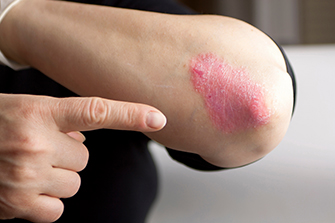
Whether you’re a patient with a condition like psoriasis or hidradenitis suppurativa, or simply want to contribute to medical progress, this guide covers everything you need to know before participating in a clinical trial.
Understanding Clinical Trials – Purpose and Importance
What Are Clinical Trials?
Clinical trials are research studies conducted on people to assess the safety and effectiveness of medical, surgical, or behavioral interventions. These trials are essential for developing new treatments and improving existing ones.
Why Clinical Trials Matter in Modern Medicine
Every vaccine, prescription drug, and medical device available today has gone through a rigorous process of clinical testing. Without clinical trials, we wouldn’t have effective treatments for cancer, diabetes, infectious diseases, or mental health conditions.
Real-World Impact
Recent examples include trials that led to the rapid approval of COVID-19 vaccines, targeted cancer therapies that prolong life, and innovations in insulin delivery for diabetes management.
The Role of Participants
Volunteers are at the heart of clinical research. Without them, progress halts. By joining a trial, participants not only get access to cutting-edge treatments but also help advance science for future generations.
Types of Clinical Trials and Their Purposes
Treatment Trials
These focus on testing new drugs, therapies, or combinations to see how well they treat specific conditions. For example, Psoriasis Clinical Research Birmingham trials are helping to assess biologic treatments for better skin clearance.
Prevention Trials
Designed to identify ways to prevent diseases in people who are at risk. These could involve vaccines, lifestyle changes, or medications.
Diagnostic and Screening Trials
Diagnostic trials aim to find better tests or procedures to detect conditions early. Screening trials evaluate how best to detect diseases before symptoms appear.
Interventional vs. Observational Trials
- Interventional Trials: Assign participants to specific interventions (e.g., a new medication).
- Observational Trials: Observe outcomes without altering participants’ current medical regimens.
Specialized Trials
In conditions like hidradenitis suppurativa, where limited treatments exist, research studies like the Hidradenitis Suppurativa Research Study are critical in exploring innovative options.
Who Conducts and Funds Clinical Trials?
Sponsors and Organizers
Clinical trials are often conducted by hospitals, universities, pharmaceutical companies, and government agencies like the National Institutes of Health (NIH).
Funding Sources
These may include:
- Government bodies (e.g., NIH)
- Private foundations
- Pharmaceutical companies
- Academic institutions
Oversight for Safety
To ensure trials are safe and ethical, they must follow strict regulations enforced by agencies like the FDA, EMA, and various institutional review boards (IRBs).
Clinical Trial Phases – From Lab to Real Life
Phase I – Safety First
The goal is to determine the right dosage and identify any side effects. These trials typically involve a small group of healthy volunteers.
Phase II – Does It Work?
These studies test how well the drug works in a larger group with the condition. Safety continues to be monitored.
Phase III – Large-Scale Validation
These trials involve hundreds or thousands of participants. They compare the new intervention to existing standard treatments.
Phase IV – Post-Market Surveillance
After approval, phase IV trials track the long-term safety and effectiveness in real-world settings.
Key Terms: Informed Consent, Placebos, and Randomization
What Is Informed Consent?
Before enrolling in a trial, participants go through a detailed informed consent process. This ensures they understand the study’s purpose, procedures, risks, and benefits.
Randomization in Trials
Randomization assigns participants to different groups by chance, reducing bias and improving the reliability of results.
Placebos Explained
A placebo is a harmless, inactive substance. It is often used in trials when there is no standard treatment available to compare against the new one.
Participant Rights
All participation is voluntary. You can withdraw at any time without losing access to regular medical care.
Safety, Privacy, and Oversight
Safety Monitoring Through DSMBs
Data Safety Monitoring Boards (DSMBs) review results during the study to identify any safety issues early and stop the trial if needed.
Adverse Event Tracking
Participants are monitored for any side effects or complications, which are documented and reviewed carefully.
Privacy and Data Protection
Confidentiality is taken seriously. Participant information is anonymized and stored securely in compliance with HIPAA and other regulations.
Ethical Oversight
Institutional Review Boards (IRBs) review all study protocols to ensure ethical conduct and participant safety.
Conclusion
Clinical trials drive innovation in medicine. They offer hope, options, and a path forward for patients who may feel like they’ve exhausted all treatments. Understanding the structure, phases, benefits, and safety measures helps you make informed decisions. Whether you’re contributing to science, accessing new therapies, or both, you are making a meaningful impact.
Always talk with your physician and research team before enrolling. Be informed, be curious, and be empowered to take control of your healthcare journey.📞 Or contact us today to learn how you can safely participate and contribute to groundbreaking medical advancements.
Frequently Asked Questions
1. What is the main purpose of a clinical trial?
Clinical trials test new medical interventions to determine if they are safe and effective in treating or preventing diseases. They help improve patient care and bring new treatments to market.
2. Are clinical trials safe for participants?
Yes. Trials follow strict ethical and regulatory guidelines. They are reviewed by Institutional Review Boards (IRBs), and participant safety is continuously monitored throughout the study.
3. How do I know if I qualify for a clinical trial?
Each trial has eligibility criteria such as age, gender, health condition, and prior treatments. These are used to ensure participant safety and reliable results. Contact the trial coordinator to check your eligibility.
4. Do I get paid for joining a clinical trial?
Some trials offer compensation for your time, travel, and inconvenience. The amount and structure vary by study, and full details are provided during the informed consent process.
5. Can I withdraw from a clinical trial at any time?
Yes, participation is completely voluntary. You can leave the trial at any point without losing access to your regular medical care or facing any penalties.