How to Avoid Eczema Flare Ups in the Cold Winter
Managing Eczema in the Winter
Does your eczema tend to flare up more often in the winter? This is totally normal, as cold weather can be a common trigger for people with eczema. But, how can you manage it so you can be comfortable for the next couple of months? Luckily, there are many things you can do to help ensure your eczema flare-ups are managed throughout the cold winter months. Keep reading to learn about adjustments you can make for the rest of winter, including how an Eczema Clinical Trial can help.
Staying Clean and Moisturized
No matter the time of the year, staying clean and moisturized is important for people suffering from eczema. But this is especially true in the winter when the air tends to be more dry.
Here are some extra things you can add to your daily routine:
- Take shorter baths or showers and reduce the temperature from hot to lukewarm, as not to strip too many of your body’s natural oils
- As always, use cleansers and moisturizers that are fragrance-free and meant for eczema or sensitive skin
- Start using a humidifier in your home to add moisture to the dry air
- Moisturize multiple times a day, not just when you get out of the shower
- Over-the-counter moisturizers and skin barriers help to moisturize your dry skin. They also prevent the loss of water from the skin. Examples include Vaseline, Vanicream, or Aquaphor.
- Sleeping with moistened gauze over the affected areas also helps dry skin. This is known as “soak and seal” or “wet-wrapping.”
Clothes and Other Lifestyle Adjustments
In the winter, especially if you live somewhere extra cold, you are going to bundle up and wear lots of extra layers. These extra layers can cause irritation to your skin, but in the cold winter months, it can be tough to avoid.
Here are some tips:
- Opt for clothing made of cotton and avoid wool or synthetics
- Wear gloves and scarves
- Wear silk-based layers to avoid irritation
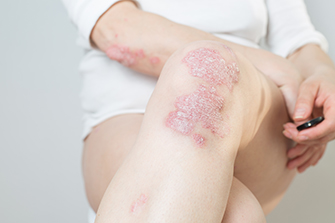
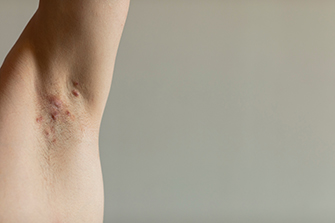
Eczema is a dry, scaly, and itchy skin rash, which can happen sometimes or chronically. Common types of eczema include atopic dermatitis, irritant dermatitis, and allergic contact dermatitis. Protecting your skin with your clothing is one of your first lines of defense.
Eczema Clinical Trial
Trying everything and still not getting any relief in the winter? Cahaba Clinical Research is looking for you.
We are looking for subjects 18 years and older who had an unsatisfactory response or facial redness (erythema) after at least 12 weeks of treatment for the condition to participate in our Eczema clinical research study.
This study is paid and absolutely no cost to participants.
We believe in applying the most advanced science-forward treatments, while always prioritizing participant safety and privacy. The expert investigators at our facility have conducted numerous studies that have benefited thousands of patients. Our methodologies have been emulated by many others for their effectiveness and responsible approach.
For more information, visit us at CahabaClinicalResearch.com!