

The Impact of Chronic Itch- Why Sleep and Mental Health Matter
Chronic itching is more than a skin problem. Discover how persistent itch can affect sleep, emotional well-being, and daily life—and why finding the right care matters. Imagine lying in bed after a long day, exhausted and ready to sleep, only to be kept awake by an itch that won’t go away. You scratch, change positions, apply lotion, and try to ignore the discomfort. But the itching continues.
For people living with chronic skin conditions, this experience can become an exhausting nightly routine. Chronic itch, medically known as chronic pruritus, is more than a physical irritation. It can disrupt sleep, affect mood, reduce concentration, and make everyday activities harder. At Cahaba Clinical Research in Birmingham, Alabama, we understand that skin health is closely connected to overall well-being. Understanding how persistent itching affects the body and mind is an important step toward finding appropriate care.
What Is Chronic Itch?
 Chronic pruritus refers to itching that persists for six weeks or longer. Unlike occasional itching from dry skin or an insect bite, chronic itching can last months or even years.
Persistent itching can be associated with several dermatological conditions, including:
- Atopic dermatitis (eczema): An inflammatory skin condition that can cause dryness, redness, irritation, and intense itching.
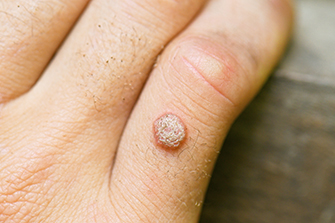
- Prurigo nodularis: A condition characterized by extremely itchy, raised bumps that can develop or worsen with repeated scratching.
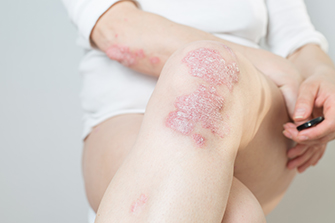
- Psoriasis: An immune-mediated inflammatory condition that can cause thick, scaly patches of skin, sometimes accompanied by itching or burning.
- Chronic pruritus of unknown origin: Persistent itching for which no clear underlying cause has been identified.
Chronic itching can also result from medical conditions unrelated to the skin, including certain liver, kidney, or neurological disorders. That is why persistent or unexplained itching deserves medical evaluation.
The Hidden Connection Between Chronic Itch and Sleep
One of the most frustrating consequences of chronic itching is how it affects sleep. During the day, work, conversations, and other activities can provide distractions from skin discomfort. At night, when those distractions disappear, itching may become especially noticeable. People with chronic itch may have difficulty falling asleep, wake up repeatedly, or scratch unconsciously while sleeping.
Over time, interrupted sleep can contribute to:
- Persistent daytime fatigue and low energy
- Difficulty concentrating or remembering information
- Increased irritability and changes in mood
- Reduced productivity at work or school
- Lower overall quality of life
Repeated scratching can also damage the skin barrier, potentially worsening inflammation and triggering more itching. This creates a difficult cycle: itching disrupts sleep, and poor sleep can make it harder to cope with itching and other symptoms the following day.
How Chronic Itch Affects Mental Health
 The emotional effects of chronic itching are often overlooked. Living with persistent physical discomfort can be frustrating, particularly when symptoms continue despite attempts to manage them. Some people begin to feel anxious about when their next flare-up will occur. Others may become discouraged because their symptoms interfere with activities they once enjoyed.
Research has found associations between chronic inflammatory skin conditions, disrupted sleep, anxiety, and depression. The American Academy of Dermatology also recognizes that people with atopic dermatitis may experience emotional distress related to itching, pain, sleep difficulties, and visible flare-ups.
Stress, anxiety, and the itch-scratch cycle
Stress can intensify the perception of itching in some people, while persistent itching itself can increase emotional stress.
This interaction may contribute to an ongoing cycle:
- Itching: Persistent discomfort
- Scratching: More skin irritation
- Poor sleep: Fatigue and exhaustion
- Emotional stress: Reduced ability to cope
These effects can reinforce one another, making persistent symptoms especially challenging. Recognizing this connection is important. Addressing skin symptoms, sleep difficulties, and emotional well-being together may help improve quality of life.
The Everyday Challenges of Living With Persistent Itching
Chronic itch doesn’t stop when people get out of bed. It can influence relationships, confidence, productivity, and participation in social activities. For example, someone living with eczema may avoid certain clothing because the fabric irritates their skin. A person with prurigo nodularis may feel uncomfortable wearing short sleeves because of visible bumps or scratch marks.
Others may struggle to focus during meetings, feel exhausted all day, or hesitate to participate in activities that cause sweating and worsen their symptoms. These experiences demonstrate why evaluating a chronic skin condition should involve more than simply looking at the visible rash. The effects on sleep, daily activities, and emotional health matter, too.
Ways to Manage Chronic Itch and Improve Sleep
While treatment depends on the underlying cause, several practical strategies may help reduce skin irritation and support better sleep.
- Keep your skin moisturized. Applying a fragrance-free moisturizer regularly, especially after bathing, can help support the skin barrier and reduce dryness.
- Maintain a cool sleeping environment. Heat and sweating can trigger or intensify itching for some people. Lightweight, breathable bedding may improve comfort.
- Avoid harsh skin products. Fragranced soaps, detergents, and certain skincare ingredients may aggravate sensitive skin.
- Break the itch-scratch cycle. Keep fingernails short and apply a cool compress to help reduce skin damage from repeated scratching.
- Practice healthy sleep habits. Consistent sleep and wake times and a relaxing bedtime routine can support sleep quality, although they may not resolve itching caused by an underlying medical condition.
- Speak with a healthcare professional. If itching is persistent or severe, have a healthcare professional evaluate it to identify potential causes and discuss appropriate treatment options. If itching is affecting your mood or mental health, mention those symptoms as well.
When Should You Seek Additional Help?
If itching has lasted more than six weeks, repeatedly interrupts your sleep, or interferes with your normal activities, you may need a medical evaluation. Consider discussing your symptoms with a healthcare professional if you experience persistent itching despite using recommended treatments, frequent scratching that causes bleeding or skin damage, or emotional distress related to your symptoms.
Seek prompt medical attention if you notice signs of skin infection, such as spreading redness, warmth, swelling, pus, or fever. You do not need to wait until your symptoms become unbearable to ask for help.
How Clinical Research Is Advancing Dermatology Care
 Medical research plays an essential role in developing and evaluating new approaches to chronic inflammatory skin conditions. Clinical trials help researchers better understand how investigational treatments may affect symptoms such as itching, inflammation, and sleep disruption. At Cahaba Clinical Research, our Birmingham research team, led by board-certified dermatologist Dr. Vlada Groysman, conducts clinical studies focused on dermatological conditions, including eczema, psoriasis, prurigo nodularis, and chronic pruritus.
Depending on the study and individual eligibility, participants may receive:
- No-cost study-related medical evaluations and care
- Access to investigational medications being evaluated in clinical research
- Medical monitoring from qualified research professionals
- Compensation for time and travel, where offered
Clinical trial participation is voluntary, eligibility requirements vary, and investigational treatments are not guaranteed to provide relief or direct medical benefit.
Take the First Step Toward Better Skin Health
 Chronic itching can affect far more than your skin. When discomfort follows you throughout the day and keeps you awake at night, it can influence nearly every aspect of your well-being. Understanding the connection between skin symptoms, sleep, and mental health is an important first step toward addressing the full impact of chronic itch.
If you’re living with persistent itching, eczema, psoriasis, or prurigo nodularis, Cahaba Clinical Research may have a clinical research opportunity worth exploring.
Learn more about our dermatology clinical trials and see if you may qualify.
Explore Available Clinical Studies
Call (205) 778-1564 to speak with our Birmingham research team.









Leave a Reply
You must be logged in to post a comment.