
Helping Your Child Find Eczema Relief Through Safe, Carefully Monitored Clinical Trials
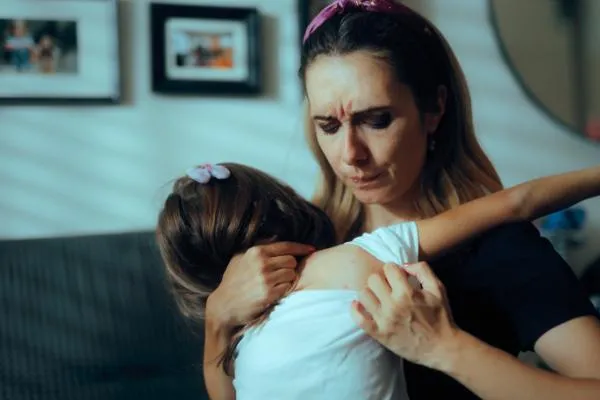
When eczema treatments don’t provide enough relief, pediatric clinical research may offer families a chance to explore investigational options under medical supervision. Watching your child struggle with eczema can be heartbreaking. The constant scratching, sleepless nights, and frustration of trying treatment after treatment can leave parents feeling helpless.
You want your child to feel comfortable in their own skin, sleep peacefully, and enjoy everyday activities without the distraction of itching and irritation. For families managing moderate-to-severe eczema, traditional treatments don’t always provide enough relief. When symptoms persist despite prescribed creams and other therapies, parents may wonder what other options are available.
Pediatric eczema clinical trials offer an opportunity to explore investigational treatments in a carefully monitored medical setting. While clinical research involves risks and cannot guarantee improvement, it plays an important role in advancing our understanding of eczema and developing treatment options for children.
At Cahaba Clinical Research in Birmingham, Alabama, we understand how important your child’s comfort, well-being, and safety are to your family.
Understanding Childhood Eczema and Its Impact
 Eczema, also known as atopic dermatitis, is a chronic inflammatory skin condition that commonly develops during childhood. It can cause dry, itchy, irritated skin and recurring flare-ups that interfere with daily life.
According to the American Academy of Dermatology, eczema affects up to 25% of children worldwide. Symptoms can vary considerably, with some children experiencing occasional mild irritation and others facing persistent, more severe symptoms.
Common symptoms include:
- Persistent itching, sometimes severe enough to disrupt sleep
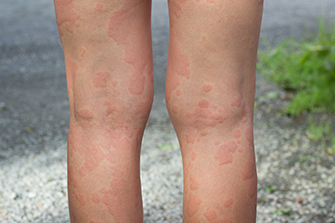
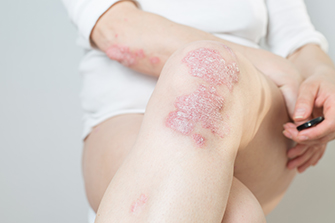
- Red, inflamed, dry, or scaly skin
- Rough patches that may crack or bleed
- Recurring flare-ups despite treatment
- Skin discomfort that interferes with play, school, or daily activities
For many families, the emotional effects can be just as challenging as the physical symptoms. Children may feel embarrassed about visible rashes, become frustrated by limitations on their activities, or have difficulty concentrating because of itching. Parents may also lose sleep while helping their children manage nighttime flare-ups.
Eczema affects more than the skin. It can influence a child’s sleep, confidence, comfort, and overall quality of life.
When Traditional Eczema Treatments Aren’t Enough
Managing childhood eczema often begins with a consistent skincare routine and treatments recommended by a dermatologist. These may include moisturizers, prescription topical medications, and strategies to reduce irritation and manage flare-ups.
For children with more severe eczema, additional therapies may be appropriate depending on their age, symptoms, medical history, and treatment response. However, some children continue experiencing significant itching and inflammation even after following their prescribed treatment plans.
Parents may find themselves asking:
“Why does my child’s eczema keep coming back?”
“Are there other options when creams aren’t helping?”
“How can I help my child get through the night without scratching?”
These are important questions to discuss with a dermatologist. In certain circumstances, participation in a clinical trial may also be worth considering.
What Is a Pediatric Eczema Clinical Trial?
 A pediatric eczema clinical trial is a medical research study designed to evaluate investigational treatments or treatment approaches for children with atopic dermatitis. Researchers may study how well a medication works, its potential side effects, and how children respond to it over time.
Depending on the study, researchers may evaluate whether an investigational treatment can:
- Reduce eczema-related itching
- Improve skin inflammation and irritation
- Decrease the severity of flare-ups
- Support better sleep and daily comfort
- Demonstrate an acceptable safety profile in the age group being studied
Clinical trials are necessary because treatments that work for adults may not have the same effects or safety considerations in children. Pediatric research helps scientists gather age-specific information about dosing, tolerability, and treatment response.
Importantly, a medication being evaluated in a clinical trial is still under investigation for the condition or population being studied. Its effectiveness and risks may not yet be fully understood.
How Are Children Protected During Clinical Trials?
It’s natural for parents to have questions about safety before considering clinical research for their child. Pediatric clinical trials follow additional federal safeguards designed to protect children participating in research. These safeguards don’t eliminate all risks, but they set key requirements for ethical oversight and medical monitoring.
1. Independent ethical review
Before a pediatric clinical trial begins, an Institutional Review Board (IRB) reviews the research protocol to assess whether it meets applicable ethical and regulatory requirements. The IRB evaluates the potential risks, anticipated benefits, study procedures, and protections for participating children.
2. Parental permission and a child’s agreement
Parents or legal guardians are provided information about the study before deciding whether to allow their child to participate. This process includes an explanation of the investigational treatment, possible risks, study visits, and available alternatives.
When appropriate for the child’s age and maturity, researchers also seek the child’s assent, meaning their affirmative agreement to participate. Participation is voluntary, and families can withdraw from a study without penalty or loss of benefits to which they are otherwise entitled.
3. Medical monitoring throughout participation
Children participating in clinical studies are monitored according to the approved research protocol.
Depending on the study, this may include:
- Regular skin examinations and symptom assessments
- Reviews of medical history and current medications
- Laboratory testing or other safety evaluations
- Monitoring for possible side effects
- Scheduled follow-up visits with the research team
Parents are encouraged to report any changes in their child’s health or symptoms throughout the study.
4. Clear communication with families
Parents should have opportunities to ask questions before and during participation. Research teams explain what the study involves, what is expected of the family, and whom to contact if concerns arise.
Families should never feel pressured to enroll their child in a clinical trial.
What Can Parents Expect During a Pediatric Eczema Study?
Although every clinical trial is different, participation generally involves several stages.
Step 1: Initial screening
The research team reviews your child’s age, eczema history, previous treatments, and other eligibility criteria to determine whether a study may be appropriate.
Step 2: Study discussion and parental permission
Parents receive information about the research, including its purpose, procedures, potential risks, possible benefits, and time commitments. We seek the child’s assent when appropriate.
Step 3: Medical evaluation and study participation
If your child qualifies and you choose to enroll, the research team conducts the assessments required by the protocol. Your child may receive an investigational treatment or a comparator, depending on the study design.
Step 4: Ongoing monitoring and follow-up
The research team monitors your child’s health, tracks eczema symptoms, and evaluates any side effects throughout the study.
Before enrolling, families should ask about the number of visits, study duration, potential discomforts, and how participation could affect their child’s existing eczema treatment.
Could a Clinical Trial Help My Child’s Eczema?
Clinical research may offer an opportunity to explore treatments that are not yet approved or widely available for a child’s particular condition or age group. However, participation does not guarantee that eczema symptoms will improve. Some children may experience benefits, while others may see no improvement or experience side effects.
A study may also include a placebo or an approved comparison treatment. The research team should explain these details before enrollment. Even when an investigational treatment does not provide direct relief, the information collected can help researchers better understand childhood eczema and contribute to future medical advances.
For parents, the decision should be based on a careful assessment of the potential risks, possible benefits, practical commitments, and their child’s individual needs.
Pediatric Eczema Research at Cahaba Clinical Research
 At Cahaba Clinical Research in Birmingham, Alabama, our team conducts dermatology clinical studies under the leadership of board-certified dermatologist Dr. Vlada Groysman. Our research includes studies exploring investigational treatments for atopic dermatitis, including pediatric eczema.
One of our published pediatric study opportunities focuses on children ages 6 to 11 who have moderate-to-severe eczema that has not responded adequately to topical medications.
Questions Parents Should Ask Before Enrolling
Before considering a pediatric eczema clinical trial, it’s important to feel informed and comfortable with the process.
You may want to ask the research team:
- What treatment is being studied, and how does it work?
- What are the known and potential risks or side effects?
- Will my child need to stop using any current eczema medications?
- How often will we need to visit the research center?
- What happens if my child’s eczema gets worse during the study?
- What medical care is available if my child experiences a side effect?
- Can we withdraw from the study if we change our minds?
A responsible research team should take the time to explain these considerations and answer your questions.
Helping Your Child Feel Comfortable in Their Own Skin
Every parent wants their child to be happy, confident, and free to enjoy childhood without constant discomfort. For children living with persistent eczema, relief can mean more than healthier-looking skin. It can mean sleeping more comfortably, concentrating at school, playing with friends, and feeling less frustrated by recurring symptoms.
If your child’s eczema remains difficult to manage, speaking with a dermatologist and learning about clinical research opportunities may help you better understand the options available. Clinical trials aren’t right for every family, but they play an important role in advancing pediatric dermatology care.
Explore Pediatric Eczema Clinical Trials in Birmingham
 At Cahaba Clinical Research, we’re committed to helping families learn about dermatology research and make informed decisions about potential study participation.
If your child is struggling with moderate-to-severe eczema despite treatment, our team can help you determine whether a pediatric study may be an option.
Take the first step toward exploring additional options for your child’s eczema care.
See If Your Child May Qualify
Call (205) 778-1564
Cahaba Clinical Research | Birmingham, Alabama








Leave a Reply
You must be logged in to post a comment.